
Philanthropic Communities
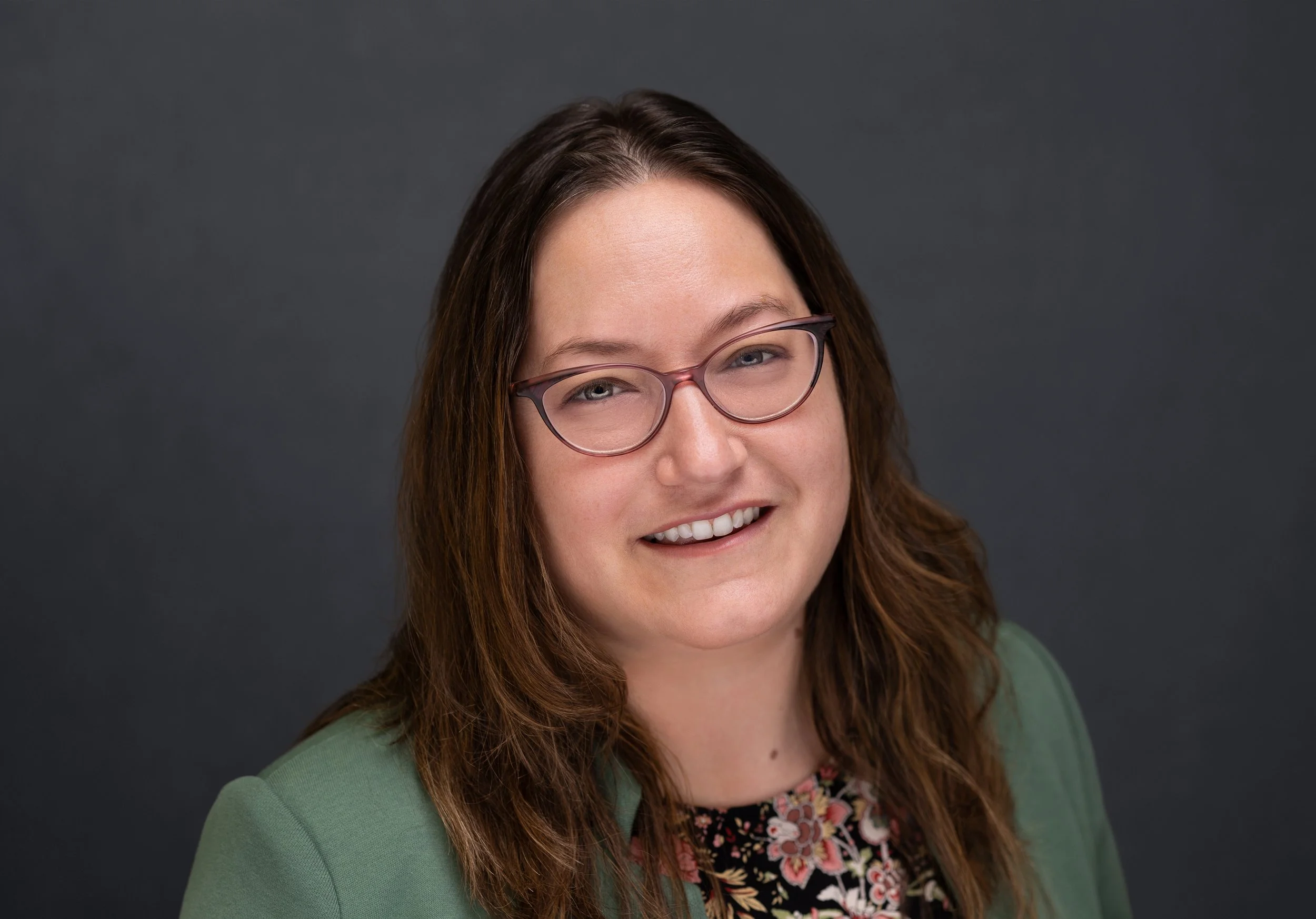
Drawing on my background in non profit operations, program creation, donor relations, and fundraising, I bring over a dozen years of expertise to the non-profit and philanthropic sector, complemented by two decades in the field of education. I have been told one of my superpowers is being a connector. I firmly believe that while individuals may initially engage with a mission, it's the establishment of authentic connections that encourages them to stay and generously contribute their time, talents, and resources. For me, it's all about relationships.
I work hard to understand complex and nuanced issues, especially as it relates to identity. I strive to hold and understand the parts of someone's identity that are historically marginalized as well as parts of someone's identity that are historically powerful. I recognize that making systemic changes can be messy and uncomfortable.
What this looks like…
Next Gen Giving
Helping emerging philanthropists develop their voices, values, and leadership.
Collaborative Giving
Creating structures for people to learn, deliberate, and give together.
Donor Relationships
Connecting individual values with meaningful opportunities for impact.
Organizational Leadership
Building the strategy, systems, teams, and culture that turn vision into action.

People may first connect with an organization because they believe in its mission. But what makes them stay—and choose to give their time, talent, resources, and trust—is connection. One of the things people have told me I’m good at is being a connector: finding common ground, bringing people together, and helping turn individual interests into shared purpose.
For more than a dozen years, I’ve worked across philanthropy, nonprofit operations, donor relations, fundraising, and program development, building on two decades in education and community organizing. I’ve worked with donors ranging from first-time young philanthropists to longtime community leaders, and I’ve learned that meaningful philanthropy isn't about the size of someone's gift. It’s about helping people understand how their values can become action.
Much of my work has focused on creating opportunities for people to give together. I’ve coached Next Gen philanthropists, facilitated collaborative giving experiences, developed campaigns that brought affinity groups together, and built programs designed to strengthen relationships across a community.
I’m particularly interested in what happens when philanthropy becomes participatory rather than transactional. What happens when people don't simply write a check, but learn together, wrestle with difficult questions, make decisions together, and see themselves as part of something larger?
That approach is rooted in a simple belief: every person has inherent and infinite value. It shapes how I lead, how I build relationships, and how I try to create organizations where people feel respected, trusted, and empowered.
As a leader, I believe my job is to create the conditions for other people to do their best work. That means setting a clear vision and direction while giving people room to make decisions, experiment, and grow. I value honesty, compassion, flexibility, accountability, and respect for boundaries. I want to be the person my colleagues can come to when something is hard—not because I have all the answers, but because we can figure it out together.
I also know that community work is rarely simple. Identity, power, privilege, history, and lived experience all shape how people show up. I try to hold space for those complexities, including the parts of someone's identity that have been historically marginalized and the parts that carry power. Meaningful systemic change can be messy and uncomfortable. I don't see that as a reason to avoid the work; I see it as a reason to approach it with curiosity, humility, and care.
Across roles from development director to executive director, I’ve learned that strategy and relationships are inseparable. Budgets, campaigns, programs, communications, and strategic plans matter—but they only work when people believe in the vision and trust the people building it.