Aging
I’m thinking a lot about what it means to grow older—and what kind of society we want to create for ourselves, our parents, and the generations that come after us. I’m increasingly interested in what it would look like to build communities that don’t just care for people as they age, but genuinely value older people as full participants in community life.
Too often, aging is framed as a problem to be solved: a period of decline, dependency, or increasing need. I’m more interested in a different question: What if aging is a natural and valuable part of being human, and our communities were designed to honor it?
Through my work with older adults, I’m thinking about dignity, purpose, connection, and belonging. I’m thinking about how we make sure people can remain engaged in the communities they helped build, how we value the wisdom and experience that comes with a long life, and how we create meaningful opportunities for people to contribute—not simply receive care.That means thinking beyond healthcare and services to questions of purpose, belonging, autonomy, friendship, creativity, work, spirituality, and contribution. It means challenging ageism and questioning the assumption that a person’s value diminishes as their productivity does.
I’m also thinking about intergenerational community. What happens when we stop designing our lives in age-segregated boxes and instead create spaces where people at different stages of life can learn from, care for, and enjoy one another? We have designed so much of American life around age-specific institutions and experiences. What might happen if we created more places where 20-year-olds, 50-year-olds, and 90-year-olds were simply… neighbors?
Aging isn’t someone else’s issue. If we’re lucky, it’s something we all get to do.
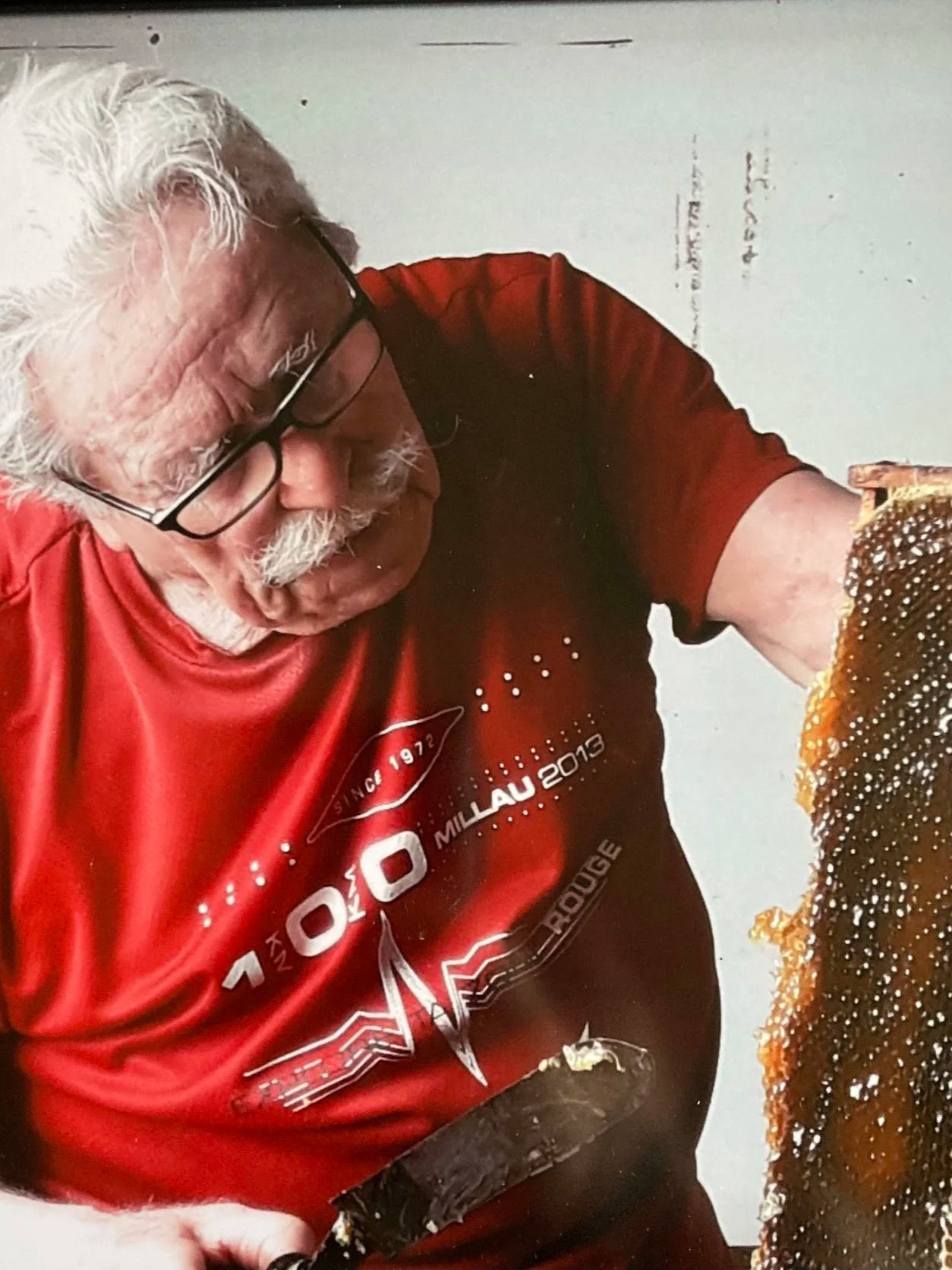
My amazing grandfather Pape lived to be 94 years old. He was an inspiration-hunting until 93 and living at home until almost the end of his life. His honey is the best in the world.